Reading the Handpumps: How to Order a Pint at the Duke Without Bluffing
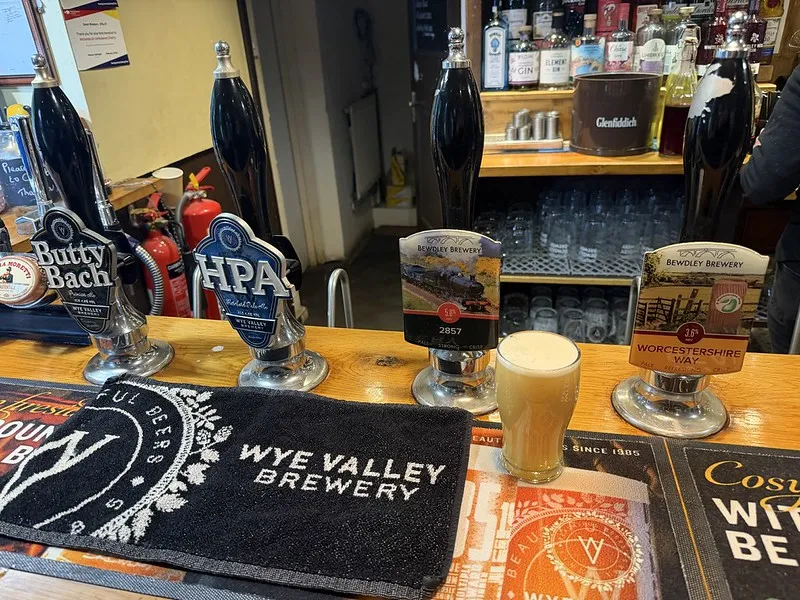
Photo: 55belgianbeerfan, CC0, via Wikimedia Commons
There is a particular look that crosses a person's face when they reach the bar, see six handpumps, and realise they have no idea which one they want. It is the same look people get in a wine shop. The fear is not really about beer. It is about being asked a follow-up question and having nothing to say.
Here is the good news: the person behind the bar is not testing you. They are trying to sell you something you will enjoy, because a customer who enjoys their pint comes back. Everything below is designed to get you there in under a minute, without a single mention of tasting notes unless you want them.
Start with what you already drink
The most useful sentence you can say at a bar is not a clever one. It is: 'I usually drink [something].' That gives the staff something to work with, even if your usual is a bog-standard lager or a bottle of something from the supermarket.
If you genuinely do not know, say so. 'I don't really drink beer, but I fancy trying one' is a perfectly good opening, and it usually gets you a more thoughtful recommendation than a confident but vague request for 'something dark'.
Four questions worth asking
You do not need all four. Two will usually do.
Light or dark? This is the fastest filter there is. Pale, golden and amber on one side; ruby, brown and near-black on the other.
Bitter or juicy? Modern pale ales lean fruity and soft; traditional bitters lean dry and firmly bitter. Neither is better, and the answer tells the bar exactly where to point you.
How strong is it? Worth asking if you are driving, if you have a long afternoon ahead, or if you plan to have three. Session-strength beers hover around 3.5 to 4.2 per cent; the stronger end of the board can creep past five, and the difference adds up faster than most people expect.
Cask or keg? Cask ale is live beer, served cool rather than cold, with a softer fizz and a shorter shelf life once the cask is tapped. Keg is served under gas, colder and bubblier, and keeps longer. If you find cask ale flat and warm, you have probably been given a tired pint rather than a bad style, and it is fine to say so politely.
How to ask for a taste
Just ask. 'Could I try a drop of that one?' is standard bar vocabulary, not a fussy request. Most pubs will pour you a small sample, roughly a third of a pint or less, particularly if you are choosing between two.
A few bits of bar wisdom on timing. Ask for a taste when the bar is quiet, not at half seven on a Saturday with a queue behind you. Try one, not five. And if you taste something and dislike it, say thank you and order something else; that is exactly what the sample is for.
Why the board changes and the best pint moves
Cask beer is a living thing. Once a cask is tapped it has a limited window, usually a few days, before it starts to fade. That is why a beer that was superb on Wednesday might be past its best by Sunday, and why a guest line can vanish from the board without warning.
The practical upshot is that the best pint in the building is not a fixed answer. It changes with the delivery, the weather and how busy the week has been. If a member of staff says 'the one on the end is drinking really well at the moment', they are not doing a sales pitch. They are telling you what they have seen come out of the cellar this week.
It also means you should never be shy about returning a pint that tastes sharp, vinegary or flat. A good bar would far rather swap it than have you drink it and quietly decide not to come back.
Matching a pint to your supper
There are no rules, only habits that tend to work.
- Fish and chips, or anything fried: something crisp and pale, or a clean lager. You want refreshment rather than competition.
- Pie, steak, Sunday lunch: a proper bitter or a dark mild. Bitterness cuts through gravy and fat in a way that a soft pale ale does not.
- Stout or porter with pudding: a genuinely good pairing, especially with anything chocolatey or treacly.
- Something light and herbal to start: a golden ale or a low-strength bitter, so the first pint does not overwhelm the food.
If you are torn, ask the kitchen. In most pubs the person cooking has a firm opinion about which beer goes with which dish, and they are usually right.
A short glossary for the curious
- ABV: alcohol by volume, the percentage on the pump clip.
- IBU: a rough measure of bitterness. Higher means more bitter, though malt can hide it.
- Hop-forward: the fruity, floral, citrusy side of beer is turned up.
- Condition: the natural fizz and liveliness of a cask beer.
- Sparkler: the nozzle some pubs fit to the tap to give a creamier head. Northern habit, southern argument.
- Off: a pint that has turned sharp or vinegary. Send it back.
- A third: a small measure, ideal for tasting.
- Session: low enough in strength to have more than one without regret.
The one rule
Order the pint you want, not the one that sounds most impressive. Nobody at the bar is keeping score, and the staff will have forgotten your order long before the glass is empty. Curiosity is the only qualification you need.