Corner Seats and Long Stories: Picking the Right Spot for a Proper Catch-Up at the Duke
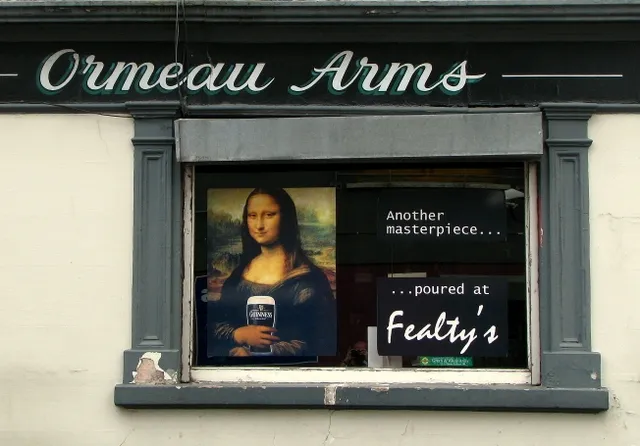
Photo: Ross, CC BY-SA 2.0, via Wikimedia Commons
There is a particular kind of evening that begins with “we really must catch up properly” and ends, three hours later, with the bar staff quietly stacking chairs around you. It is not a quick pint. It is not a birthday do. It is a long-overdue conversation, and it deserves a better setting than a wobbly table beside the door.
At the Duke, we have watched enough catch-ups unfold to know that the room matters as much as the ale. Choose badly and you spend the evening leaning in like a detective. Choose well and the talk takes care of itself. So here is our warmly opinionated guide to booking the Duke when the point of the visit is the chat.
Start with the shape of the conversation
Not all catch-ups are the same. There is the buoyant version — old friends, daft stories, perhaps a shared plate of something salty — and there is the quieter sort, where someone has news and needs room to tell it. The first can handle a bit of bustle. The second needs a corner with a bit of dignity.
Before you book, ask yourself what kind of talk this is likely to be. If it is a “let’s put the world to rights” evening, the bar is fine. If it is a “I’ve been meaning to tell you something” evening, aim for the snug or a dining-room table away from the main thoroughfare. It sounds fussy. It is not. It is simply matching the table to the mood.
The snug: best for secrets and slow stories
The snug is the Duke’s answer to a conversation booth. It is compact, warm and just separate enough from the main bar to make you feel like you have been given the keys to a small private club. You can hear each other without raising your voice, and you can spread out a couple of notebooks, phones or coats without starting a turf war.
It is not the place for a crowd. Six is a squeeze; four is comfortable; two is ideal. If your catch-up involves anything sensitive — family news, work wobbles, the sort of thing that should not be broadcast over the fruit machine — book the snug and thank yourself later. It also has the useful quality of feeling special without feeling stiff. You are still in a pub. You have simply got the better end of it.
The bar: sociable, lively, occasionally loud
The bar is the heartbeat of the place, and for many catch-ups it is exactly right. There is something generous about sitting where the pints are pulled, where you can watch the room fill up and where a chance remark can turn into a conversation with the person beside you. If your reunion is more “we haven’t seen each other in ages and I want to hear everything” than “I need to talk something through”, the bar will carry you along nicely.
But be honest about the acoustics. Early evening is bright and buzzy; Friday and Saturday nights are not the moment for a delicate heart-to-heart. If you need to lean across the table and repeat yourself, you have booked the wrong slot. The bar rewards sociability, not intimacy. Choose it for the laugh, not the confession.
The dining room: room to spread out and settle in
The dining room is the sensible middle ground. It has more space than the snug, more calm than the bar and enough of a proper-table feel to justify a second pot of tea or a pudding you did not plan on. It is a good choice for a catch-up that involves four people, a birthday-ish atmosphere or a friend who likes to talk with their hands.
Ask for a table away from the main walkway if you can. The difference between a table in the middle of the room and one against the wall is the difference between watching the evening pass by and being part of the traffic. When you book, say what you are doing. “We’re catching up and would like somewhere we can hear each other” is a perfectly reasonable sentence, and it gives the team something to work with.
The hours that let a conversation breathe
Midweek early evenings are the sweet spot. The pace is gentler, the tables are easier to choose and the kitchen is not yet in the full roar of service. A Tuesday or Wednesday from about 5pm gives you a good run at the evening before the room changes gear. If you want lunch, aim for the later end of it — after the main rush, when the dining room settles and the coffee comes out.
Avoid the obvious peak windows if the talk matters. Saturday night is for celebration, not for delicate news. Sunday lunch is wonderful, but it is not a private audience; it is a full-contact sport of Yorkshire puddings and passing the gravy. Book the quiet hours instead, and you will get far more out of them.
Food that does not interrupt
A proper catch-up needs food that can be eaten with one eye on the plate and both ears on the story. Sharing boards are good — a bit of picking, a bit of talking — but avoid anything that demands a knife-and-fork performance at the exact moment your friend delivers the punchline. A bowl of chips, a plate of something cured, a decent sandwich at lunch: these are supporting acts, not scene-stealers.
For something more substantial, choose a dish that rewards slow eating without requiring constant attention. A pie with a pint is a fine companion to a long talk. A pudding shared between two is even better. What you do not want is a tasting menu of interruptions, or a table so cluttered with plates that there is no room for elbows, phones or the inevitable bit of paper you need to scribble an address on.
When the smart finish is a room upstairs
There is a particular pleasure in not having to calculate the last train home in the middle of a good conversation. If the catch-up is long overdue — the kind that might run past the point where anyone wants to be sensible — book a room upstairs. It changes the whole evening. You can have the second drink. You can order the pudding. You can stay for the bit of the night where the pub goes quiet and the talk gets honest.
It also makes the morning easier. Breakfast at the Duke is not a rushed affair, and there is something rather civilised about coming down after a late night and carrying on the conversation over coffee and toast. The catch-up gets a proper ending, rather than a platform announcement.
So when you book, book with the talk in mind. Tell us what you need. Ask for the snug, or the corner of the dining room, or a table where the bar noise is a hum rather than a wall. The Duke is a pub first and foremost, but it is also a place where long stories are welcome. All you have to do is choose the right seat.