Before You Book That Room Above the Bar: Five Questions Worth Asking
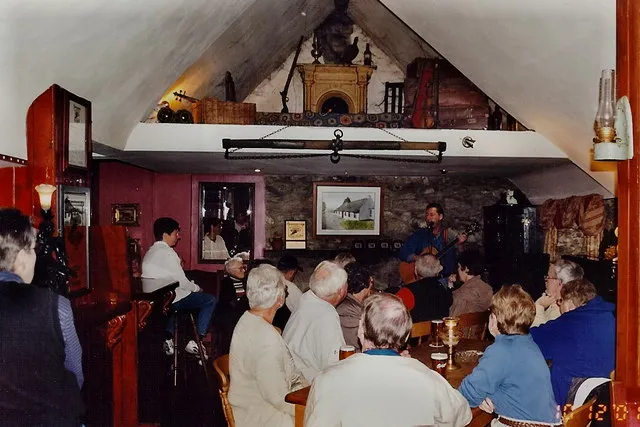
Photo: Joseph Mischyshyn, CC BY-SA 2.0, via Wikimedia Commons
Booking a room above a pub is a slightly different bargain from booking a chain hotel. You are not just reserving a bed and a breakfast; you are reserving a few nights inside a working local. That is the charm, but it also means the details matter. At the Duke Inn Sutton, we would much rather field a few sensible questions before you book than watch you discover the answers at 11pm with a suitcase in one hand and a parking permit in the other. Here are the five we wish more guests asked — and what to do with the replies.
1. Which room am I actually getting?
Ask where the room sits, not just what it costs. Is it above the bar, over the kitchen, facing the high street, or tucked away at the back? Is it up a narrow staircase? Does it have a low beam with a sense of humour? These things are not trivial when you are travelling with a heavy bag, a bad knee, or a determination to sleep past 7am.
A pub-hotel is an old building more often than not, and old buildings have personalities. Some rooms are gloriously quiet; others come with the gentle clatter of a pub winding down. If you are a light sleeper, say so now. If you need a shower rather than a bath, or a room with a bit more floor space, ask. Good innkeepers know their rooms intimately and will tell you honestly which one suits the break you are planning.
2. What time does the kitchen stop — and start?
Food timings are one of the great unspoken make-or-break details of a pub-hotel stay. A pub kitchen is not a 24-hour operation, and a Sunday roast does not appear on demand at 9pm on a Tuesday. Ask what time food is served on the day you arrive, whether the kitchen takes a break between lunch and dinner, and what happens if your train is delayed.
If you are arriving on a Friday after a long drive, ask whether the kitchen can hold something back. If breakfast is included, ask when it is served and whether there is any flexibility for an early start. None of this is fussy. It is the difference between arriving to a warm plate and arriving to a closed kitchen and a packet of crisps from the bar.
3. Where does the car go?
Sutton is not a metropolis, but parking still has its own logic. Ask whether there is parking on site, whether it is first-come-first-served, whether you need a permit, and whether there is space to unload before you park properly. Ask about height barriers, narrow entrances, and whether the car can stay put after check-out while you have one last wander.
Nobody wants to start a break by circling the market square while the rest of the party stands on the pavement with the bags. A quick question before booking saves a surprising amount of low-level stress. If the answer is that parking is nearby but not on site, get the details in writing and know exactly where you are heading.
4. How noisy is the noisy room?
A pub is a living building. That is part of the appeal, but it is also a practical consideration. Ask whether there is live music, a quiz night, a big screen, or a private function during your stay. Ask about deliveries, bottle collections, church bells, and the general hum of a high street waking up. Ask which room is quietest if silence matters to you.
This is not a complaint; it is a booking preference. Some guests want to be in the middle of the atmosphere. Others want a bath, a book, and the distant murmur of other people having fun. Both are valid. The trick is to match the room to the mood before you arrive, rather than hoping for the best and blaming the innkeeper when the pub does what pubs do.
5. What happens if our plans change?
Life happens. Trains are cancelled, babysitters fall through, and the weather has a habit of rewriting weekends. Ask about the cancellation policy, any deposit, whether dates can be moved, and what happens if you arrive later than expected. Small inns do not always have the same flexible policies as large chains, so it is worth understanding the terms before you pay.
Ask, too, about check-in times and how you get in if you are running late. Get the important bits by email so nobody has to rely on memory. A straightforward answer at the booking stage is worth far more than a vague promise later.
The one question we ask you
Before you set off, we will usually ask: what time are you expecting to arrive, and is there anything you need us to know? It sounds like small talk, but it is not. It helps us keep the kitchen informed, leave a light on, reserve a parking space, or make sure a dog-friendly room is ready. It is also your chance to mention a mobility need, a dietary requirement, a birthday, or a late train.
The more we know, the less you have to sort out on arrival. A good pub-hotel stay is not about guessing correctly. It is about asking the right questions, getting straight answers, and then settling in. If the replies feel vague, keep looking. If they feel honest, book with confidence.