No Buffet, No Rush: Why Breakfast Deserves Top Billing at a Sutton Inn
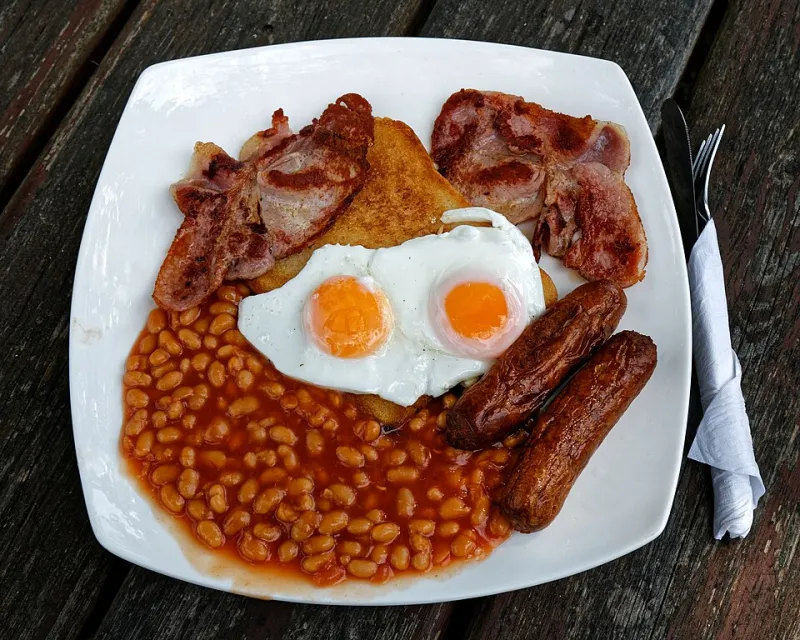
Photo: Acabashi, CC BY-SA 4.0, via Wikimedia Commons
There is a particular kind of disappointment reserved for the hotel breakfast. You come down hoping for something warm and generous, and find a trough of scrambled egg with a skin on it, sausages that have been keeping each other company since seven, and a laminated notice about checkout times. It is not that the food is awful. It is that nobody, at any point in the planning, asked what breakfast is actually for.
The meal everyone treats as a formality
Think about the last time you stayed somewhere and genuinely enjoyed the first meal of the day. Chances are it was not the place with the biggest buffet. It was somewhere a person took your order, the toast arrived hot, and nobody looked at their watch.
At an inn, breakfast is not an afterthought bolted onto a reception desk. It is the same kitchen, the same building and often the same people who cooked your supper the night before. That continuity is the whole point, and it is exactly what a chain removes in the name of efficiency: a central menu, a standard portion, a machine that makes the coffee.
My argument, plainly, is this. If an inn is going to call itself a place to stay rather than a place to sleep, its breakfast should be the best meal it serves. Not the fanciest. The best.
Buffet versus cooked to order
A buffet makes sense when you are feeding two hundred people in a conference suite. It makes very little sense when you are feeding twenty-five in a room with a fire in it.
Cooked to order means your eggs are cooked when you sit down, not when the shift started. It means the black pudding has a crisp edge rather than a sad sheen. It means you can ask for your bacon less cremated, or your mushrooms without the garlic, or a smaller plate because you had a large supper and a large glass of something red. It means the vegetarian in your party gets something made for them rather than the two dry halves of a tomato left under the lamp.
It also means you wait a few minutes. That is not a flaw; that is the deal. Use the time to read something, drink the first pot of tea and notice that you are not in a hurry.
What should actually be on the plate
The fundamentals do not need reinventing. Proper dry-cured bacon. Sausages from a butcher who can tell you what is in them. Free-range eggs with yolks worth looking at. Mushrooms cooked in butter until they have given up their water. Tomatoes that have seen a grill rather than a microwave. Black pudding for those who want it, and no quiet judgement for those who do not.
Then the supporting cast, which is where places tend to cut corners: real butter, proper marmalade, bread that tastes of something, and tea made in a pot with enough bags in it. Coffee from a decent grind, served in a cup with a handle you can get a finger through. None of this is extravagant. It is simply the difference between a meal someone thought about and a line on a cost sheet.
Where we can, the ingredients come from close by, and it shows in small ways. Eggs from a Surrey holding rather than a pallet of pale imitations. Bread with a crust that argues back. Preserves that taste of fruit rather than sugar syrup. A breakfast built from things grown and made within a sensible drive of the front door will always beat one assembled from a national supply list, and any cook who has done both will tell you the same.
There should be a lighter road too. Porridge with a proper pinch of salt. Yogurt, fruit, good honey. Smoked fish for the person who finds a full cooked breakfast at nine in the morning a genuine ordeal. And a vegetarian option designed by someone awake, not adapted from the meat version by subtraction.
Building a morning around it
The mistake people make is treating breakfast as the last item on a checklist before the drive home. Turn it around. Make it the reason you get up.
Go for a short walk first. Around here that might mean twenty minutes along the edge of a common, a loop of a park or simply a lap of the streets while the town wakes up and the shops pull their shutters back. Come back with cold ears and an appetite, and the first cup of tea will taste like an achievement.
Then sit down properly. Two courses if you like: something cold and quiet to begin, then the cooked plate. A second pot of tea. A paper, if there is one going spare, or the crossword on your phone in the shameless modern manner.
And do not book an early train. The whole pleasure of a pub-hotel morning is the absence of a hand on your shoulder. A checkout that leaves room for a second cup is worth more than a posh soap dish. If you must be off, ask for coffee to take with you — a decent kitchen would rather send you out with it than watch you gulp it.
The case for the first meal
Hotels are measured, in the end, by the things guests talk about on the way home. Nobody has ever driven two hours and said, with feeling, 'the lift was excellent'. They talk about whether they were looked after. Breakfast is the clearest test of that, because it is the one meal where there is nothing to hide behind: no wine list, no candlelight, no atmosphere doing the heavy lifting. Just a plate, a pot of tea and whether anyone bothered.
Do it properly and a stay stops feeling like a night in a room and starts feeling like a weekend away. That is not a marketing claim. It is simply what happens when you give the first meal of the day the attention it has been owed all along.